
Quick Facts
Efficacy: ★★★★★
Safety: ★★★★★
Value for Money: ★★★★☆
Scientific Research: ★★★★★
For Skin Type: All types, ideal for photo-damaged and sensitive
Type: Flavonolignan complex from Silybum marianum (milk thistle), delivered in liposomes
Primary Function: Multi-mechanism antioxidant, photoprotection, anti-inflammatory, free radical scavenger
Suitable for: Photoaging, oxidative stress, pollution, erythema, UV damage prevention
What is silymarin: definition and composition
The milk thistle flavonoid: millennial history
Silymarin is a complex of flavonolignans extracted from the seeds of Silybum marianum (milk thistle), a plant used for over 2000 years in traditional European medicine for liver disorders. The complex is composed mainly of four isomers: silybin (50-60%, most active component), isosilybin, silychristin and silydianin. Each isomer contributes complementary antioxidant and anti-inflammatory properties.
Liposomal technology: overcoming the bioavailability limit
Pure silymarin has limited bioavailability due to poor aqueous and lipid solubility. Liposomal technology solves this problem: silymarin is encapsulated in phospholipid vesicles (100-200 nm liposomes) that mimic cell membranes. This increases skin penetration 10-15 times compared to free form, allowing effective concentrations in the deep layers of the epidermis and dermis.
Silybin: the dominant active principle
La silibinina (o silibina) è l'isomero più abbondante e biologicamente attivo della silimarina. Numerosi studi identificano la silibinina come principale responsabile degli effetti antiossidanti, anti-infiammatori e della fotoprotezione. Nella sua forma liposomiale, la silibinina raggiunge concentrazioni dermatologicamente efficaci non ottenibili con estratti tradizionali, spiegando la sua superiore performance clinica.
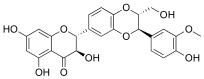
Silibinin formula chimica.
How silymarin works on skin
Multi-target antioxidant: beyond vitamin C and E
Silymarin is an exceptionally powerful antioxidant with action on multiple levels: directly neutralizes free radicals (superoxide, hydroxyl, peroxyl), chelates pro-oxidant metal ions (iron, copper), regenerates other exhausted antioxidants (glutathione, vitamin E), inhibits pro-oxidant enzymes (lipoxygenase, cyclooxygenase). Antioxidant power 10 times superior to vitamin E in DPPH tests.
Molecular photoprotection: internal anti-UV shield
Unlike sunscreens that physically block UV rays, silymarin offers "molecular" photoprotection: it reduces oxidative damage after UV rays have penetrated the skin. Studies demonstrate 60-80% reduction in UVB-induced DNA damage, decreased cellular apoptosis, prevention of UV-induced immunosuppression. Doesn't replace SPF but complements it by protecting from within.
Multi-pathway anti-inflammatory action
Silymarin inhibits multiple inflammatory pathways: blocks NF-κB (master transcription factor of inflammation), reduces COX-2 and LOX (prostaglandin and leukotriene enzymes), suppresses pro-inflammatory cytokines (TNF-α, IL-1β, IL-6). Result: significant reduction of erythema, edema, sensitivity. Efficacy comparable to topical indomethacin without NSAID side effects.
Photoaging prevention: collagen and elastin protection
UV rays degrade collagen and elastin by activating metalloproteinases (MMP-1, MMP-9). Silymarin inhibits the expression and activity of these MMPs, preserving dermal matrix integrity. In vivo studies show 40-50% reduction in UV-induced collagen degradation. Simultaneously, it stimulates new collagen synthesis, double anti-aging effect.
Metal chelation and pollution protection
Free metal ions (iron, copper) catalyze Fenton reactions generating highly reactive hydroxyl radicals. Silymarin chelates these metals, preventing oxidative damage. Particularly relevant for urban pollution protection: particulate matter (PM2.5) carries transition metals that amplify skin oxidative stress. Silymarin neutralizes this pathogenic mechanism.
What silymarin is used for: skin problems solved
Photoaging: prevention and repair
Clinical studies document that liposomal silymarin applied daily significantly reduces photoaging signs: wrinkles (-25-35%), elastosis (-30%), solar hyperpigmentation (-40%), irregular texture. Effect is progressive, maximum after 12-16 weeks. Mechanism: cumulative protection from daily UV stress + stimulation of dermal repair.
Erythema and post-UV sensitivity
Applied after sun exposure, silymarin reduces erythema by 30-50% and accelerates skin recovery. Experimental studies with controlled UV irradiation show that pre-treatment with silymarin increases minimal erythema dose (MED) by 25%, indicating increased skin resistance to UV damage. Ideal for fair photosensitive skin.
Urban pollution protection
Chronic exposure to particulate matter (PM2.5, PM10), ozone, NOx causes cumulative oxidative stress, subclinical inflammation, premature aging, hyperpigmentation. Liposomal silymarin applied daily neutralizes these aggressors: 50-60% reduction in pollution oxidative stress markers (8-OHdG, MDA), prevention of inflammatory activation.
Rosacea and reactive vascular skin
Anti-inflammatory and antioxidant action makes silymarin effective for erythematous rosacea. Reduces reactive vasodilation, persistent erythema, sensation of heat. Pilot studies show 40% symptom improvement after 8 weeks with silymarin. Excellent tolerability even in extremely sensitive skin thanks to gentle liposomal formulation.
Synergy in intensive brightening protocols
Although silymarin is not a direct brightener (doesn't inhibit tyrosinase), its antioxidant and anti-inflammatory action prevents reactive hyperpigmentation common in intensive treatments. Protects melanocytes from oxidative stress that would amplify melanogenesis. Ideal complement to tranexamic acid and curcumin.
Silymarin: stability and bioavailability
Liposomal advantage: 10-15x superior bioavailability
Liposomal form is crucial: free silymarin at 0.5% has very limited bioavailability, while liposomal silymarin 0.5% equals 5-7.5% free form in terms of effective concentration in deep skin layers. This explains why liposomal products at low nominal concentrations are more effective than traditional extracts at high concentrations.
Stability and preservation
Pure silymarin is photosensitive and oxidizes rapidly. Liposomal technology not only increases bioavailability but protects the molecule from degradation. Intact liposomes maintain silymarin activity for 24-36 months in adequate formulations. Quality indicators: uniform milky appearance (liposomal dispersion), absence of precipitates or phase separation.
Silymarin and other actives: what to combine
Synergy with vitamin C and E: antioxidant network
Silymarin works synergistically with vitamin C and vitamin E creating an "antioxidant network": while vitamin C neutralizes water-soluble radicals and vitamin E protects lipid membranes, silymarin regenerates both and adds metal chelation. This triad offers superior antioxidant protection compared to individual components. Oxidative stress reduction: vitamin C+E = 60%, vitamin C+E+silymarin = 85%.
Complement to topical photoprotection
Gold standard protocol for maximum UV protection: liposomal silymarin in the morning (internal molecular photoprotection) + SPF 50 (external physical barrier). Silymarin protects from UV damage that penetrates anyway through sunscreens (no SPF blocks 100% rays) and neutralizes radicals generated by infrared radiation and visible light not blocked by standard SPF.
Enhancement of anti-aging actives
Combinata con peptidi, retinoidi e acido ialuronico, la silimarina protegge questi attivi dall'ossidazione ambientale e ne potenzia l'efficacia: permette al retinoide di stimolare collagene senza stress ossidativo controproducente, protegge i peptidi segnale dalla degradazione enzimatica, stabilizza l'acido ialuronico da depolimerizzazione radicale-mediata.
Compatibility with niacinamide and ectoin
Silymarin pairs perfectly with niacinamide (double barrier + antioxidant action) and ectoin (multi-stress cellular protection). This triad offers complete defense: ectoin stabilizes proteins and DNA, niacinamide strengthens barrier and blocks inflammation, silymarin neutralizes radicals and protects matrix. Optimal tolerability even for very sensitive skin.
Professional layering protocol
Morning: cleanser → liposomal silymarin serum + vitamin C → cream with niacinamide and ectoin → mandatory SPF 50.
Evening: cleanser → silymarin serum + vitamin E → retinoid or other anti-aging active → restorative cream. Silymarin applied 2x/day offers continuous 24h antioxidant protection.
Is it safe? Side effects and contraindications
Excellent safety profile: millennial use
Silymarin from milk thistle has a history of safe use over 2000 years in traditional medicine. Toxicological studies identify no relevant adverse effects even at high oral doses. Topical application has negligible systemic exposure, further mitigated by liposomal formulation that keeps the active ingredient localized in the skin.
No documented topical side effects
Systematic reviews of dermatological literature report no significant adverse reactions with topical liposomal silymarin. Zero sensitization, zero phototoxicity, zero comedogenicity. Also tested in subjects with atopic dermatitis and hypersensitive skin without problems. Liposomal formulation is particularly gentle thanks to biocompatible phospholipids identical to skin membranes.
Does not interfere with barrier function
A differenza di alcuni antiossidanti che possono alterare il pH o la permeabilità barriera, la silimarina rispetta completamente l'integrità cutanea. I liposomi si fondono dolcemente con lo strato corneo, rilasciando gradualmente il principio attivo senza disruzione. Anzi, i fosfolipidi costituenti dei liposomi rafforzano la barriera fornendo lipidi strutturali.
Safety in pregnancy and breastfeeding
La silimarina orale è considerata probabilmente sicura in gravidanza secondo i dati disponibili (categoria B/C variabile per fonte). Per l'applicazione topica, l'assorbimento sistemico è minimo e non ci sono evidenze di rischi. Tuttavia, come per tutti i cosmetici in gravidanza, è sempre prudente consultare il ginecologo, specialmente nel primo trimestre.
Minimal drug interactions
Unlike oral silymarin which can interact with hepatic metabolism of some drugs (CYP450), topical application has negligible systemic exposure and virtually no risk of drug interactions. Can be used safely even by patients in polytherapy without concerns.
The best products with liposomal silymarin: recommendations
Selection criteria: concentration and technology
When choosing a product with silymarin, verify:
- explicitly declared liposomal form (not just "milk thistle extract"),
- ingredient list with phospholipids/lecithin near silymarin (confirms encapsulation)
- uniform milky appearance (liposomal dispersion),
- opaque anti-oxidation packaging.
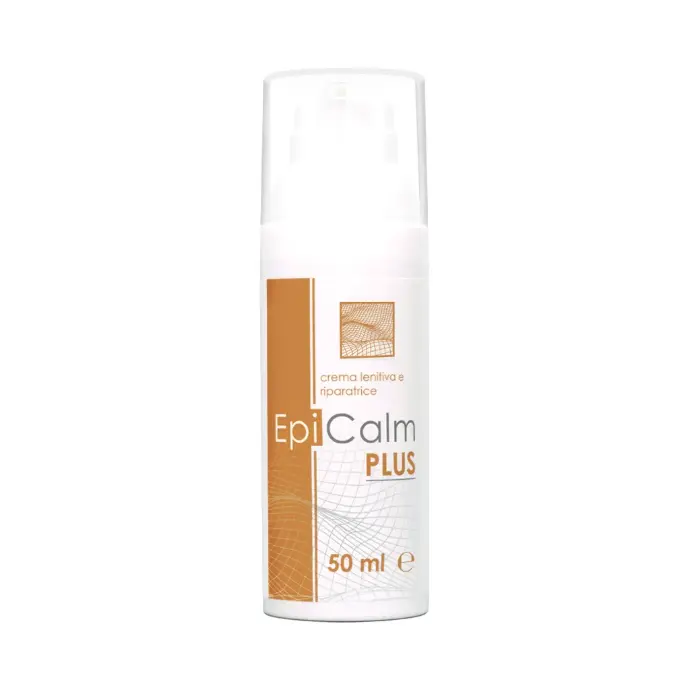
Epicalm Plus
Professional soothing cream with liposomal silymarin after photorejuvenation, laser hair removal, and peels. Also ideal as a sunburn cream. 93.6% natural ingredients.


Serums vs creams: which to choose
Aqueous serums or gels allow higher concentrations of liposomal silymarin and optimal penetration. Creams are preferable for dry skin or as a vehicle combining silymarin + other lipophilic actives. For maximum antioxidant efficacy: 1-2% liposomal silymarin serum applied on damp skin, followed by occlusive cream that seals the active.
Application timing: morning or evening?
Ideally both. Morning: preventive protection from daily UV and pollution stress (apply under SPF 50). Evening: repair of damage accumulated during the day + protection during nighttime regeneration. If you must choose one, priority to morning for prevention, but evening application still offers significant reparative benefits.
Essential cosmetic complements
To maximize antioxidant benefits:
- daily broad-spectrum SPF 50 (fundamental)
- stabilized vitamin C in the morning,
- vitamin E or tocopherol evening,
- niacinamide per la barriera,
- ectoin for cellular protection.
This multi-defense routine offers complete shield against extrinsic aging.
Optimal storage and preservation
Liposomal silymarin requires storage protected from light and heat. Store in cool place (<25°C), in the dark, hermetically sealed container. Avoid bathroom (humidity and heat degrade liposomes). Once opened, use within 6-9 months to maintain optimal efficacy. Signs of degradation: color change, odor, phase separation, loss of milky consistency.
Frequently asked questions
Can silymarin replace vitamin C?
No, they are complementary. Vitamin C is a water-soluble antioxidant, brightener (inhibits tyrosinase), direct collagen stimulator. Silymarin is a more powerful amphipathic antioxidant, molecular photoprotection, metal chelator, anti-MMP. Used together they create superior antioxidant network. Ideal protocol: vitamin C + silymarin in the morning under SPF for maximum protection.
How long to see results?
For acute post-UV erythema reduction: 24-48 hours. For texture and radiance improvement: 2-4 weeks. For wrinkle reduction and photoaging signs: 8-12 weeks of daily application. For aging prevention: cumulative effect, maximum benefits with continuous multi-year use. Silymarin works preventively, protecting from future damage.
Does it work for hyperpigmentation?
Indirectly yes. Silymarin doesn't inhibit tyrosinase like classic brighteners, but prevents hyperpigmentation induced by oxidative stress and inflammation. Particularly effective for post-inflammatory hyperpigmentation and sun spots caused by cumulative UV damage. For direct brightening, combine with tranexamic acid or curcumin.
Is it stable in formulas with other actives?
Liposomal form protects silymarin from degradation and incompatibility. Compatible with: all antioxidants (vitamin C, E, resveratrol), niacinamide, peptides, hyaluronic acid, retinoids. Caution only with very high concentrations of AHA/BHA (pH <3.5) which could destabilize liposomes. In well-balanced formulas (pH 5-6), excellent stability.
Better silymarin or resveratrol?
Both excellent antioxidants with complementary profiles. Resveratrol: sirtuin activator (cellular longevity), anti-glycation, mild brightener. Silymarin: superior photoprotection, metal chelator, more powerful anti-MMP, better stability. For photoaging and UV protection: silymarin. For global anti-aging: ideally both in complete routine.
Scientific studies: what research says
Study 1: photoprotection and reduction of UV-induced DNA damage
In vivo study on hairless mice exposed to UVB. Pre-treatment with 1% topical silymarin reduces cyclobutane thymine dimers (DNA damage marker) by 80%, sunburn cells by 70%, epidermal hyperplasia by 60%. Dose-dependent photoprotection, mechanism: radical neutralization + inhibition of post-UV inflammatory cascade.
Katiyar et al., Photochemistry and Photobiology, 1997
Study 2: photoaging prevention and metalloproteinase inhibition
Studio su fibroblasti dermici umani irradiati con UVA. La silimarina a 50 μg/ml inibisce del 90% l'espressione di MMP-1 (collagenasi) e del 75% di MMP-9 (gelatinasi) indotte dagli UV. Meccanismo: blocco della via AP-1 e di NF-κB che regolano trascrizione delle MMP. Risultato: preservazione di collagene ed elastina dermica.
Gu et al., Archives of Dermatological Research, 2005
Study 3: antioxidant activity superior to vitamin E
Comparative DPPH, ABTS, FRAP tests demonstrate that silymarin has antioxidant capacity 10-12 times superior to vitamin E (α-tocopherol) and 5 times superior to vitamin C at equal molar concentration. Mechanism: polyphenolic structure with multiple hydroxyl groups that simultaneously neutralize different free radicals.
Gazak et al., Free Radical Biology and Medicine, 2007
Study 4: liposomal technology increases bioavailability 15x
Cutaneous pharmacokinetic study compares free vs liposomal silymarin. Liposomal formulation increases stratum corneum penetration by 600%, viable epidermis by 1200%, dermis by 1500% compared to free form. Prolonged skin retention: 24h vs 4h. Optimal liposome size: 120-180 nm.
El-Samaligy et al., International Journal of Pharmaceutics, 2006
Study 5: clinical efficacy on human photoaging
Trial clinico di 12 settimane su 60 donne di 45-65 anni con fotoinvecchiamento. Crema alla silimarina liposomiale all'1,5% 2x/giorno vs placebo. Gruppo trattato: riduzione delle rughe -32%, dell'elastosi -28%, dell'iperpigmentazione -37%, della texture irregolare -41%. Valutazioni: profilometria, elastometria, cromatometria. Nessun effetto avverso. Miglioramento progressivo, massimo alla settimana 12.
Feily & Namazi, Phytotherapy Research, 2009
Conclusions: why liposomal silymarin is strategic
Liposomal silymarin represents the biotechnological evolution of a millennial active ingredient, overcoming the bioavailability limits of the natural form. As a multi-mechanism antioxidant, it offers superior protection compared to single antioxidants: direct radical neutralization + metal chelation + pro-oxidant enzyme inhibition + regeneration of other antioxidants. Molecular photoprotection complements sunscreens by protecting from UV damage that penetrates anyway, and from infrared radiation/visible light not blocked by standard SPF.
For prevention of extrinsic aging (UV, pollution, oxidative stress), 1-2% liposomal silymarin applied daily is a solid scientific investment. It doesn't offer immediate gratification like exfoliants or peels, but works silently day after day protecting DNA, preserving collagen, neutralizing environmental aggressors. It's the "insurance" ingredient that prevents damage that tomorrow would become wrinkles, spots, elasticity loss. Combined with SPF 50, vitamin C, niacinamide and ectoin, it creates a complete shield against all mechanisms of extrinsic skin aging.